



Top Places to Visit for Northern Lights atleast once in a lifetime
If you have ever seen photos of glowing green and purple lights dancing across the sky and wondered whether they
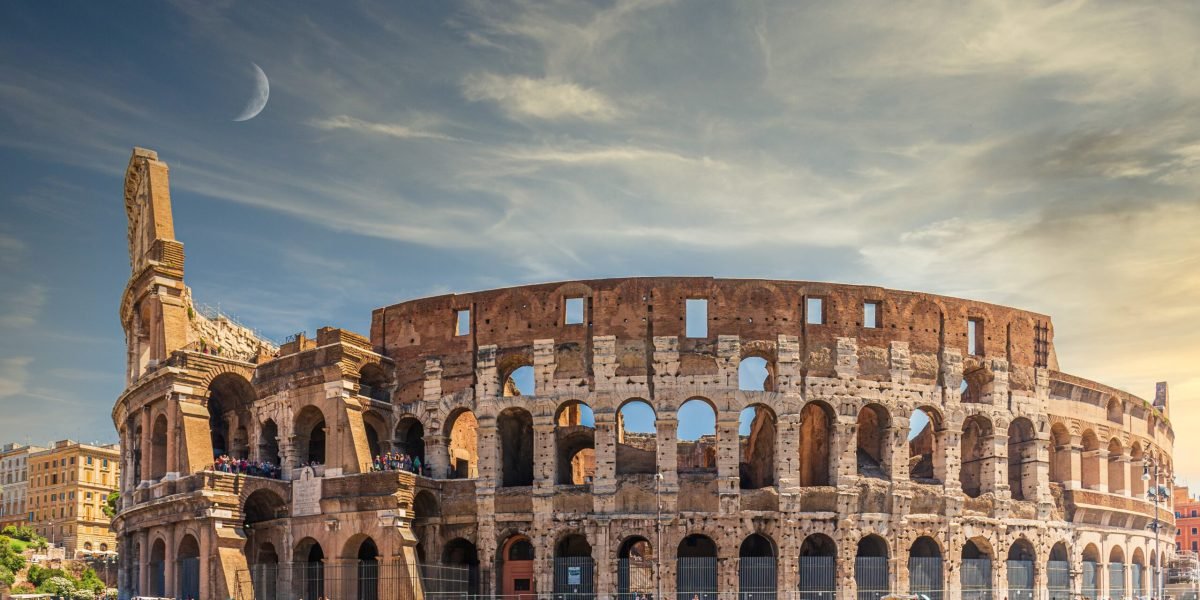
Traveling to Europe isn’t complicated — it just requires the right sequence of decisions. From choosing your entry city and understanding visa requirements to estimating travel costs and moving between countries, each step builds on the next.
Whether you’re planning your first international trip or organizing a multi-country Europe journey, this guide walks you through exactly how a Europe trip should be planned from India.
1) How to Travel to Europe from India
For Indian travelers, flying is the most practical and time-efficient way to reach Europe. Major departure cities such as Delhi, Mumbai, Bangalore, and Chennai offer direct or one-stop connections to European hubs like Paris, Frankfurt, Amsterdam, Rome, and Zurich.
If you’re wondering how you can go to Europe from India affordably, timing plays a key role. The cheapest months to fly to Europe are typically late January, February, and early March, while summer months are considered peak tourist season with higher airfare.
Choosing the right arrival city matters. Entering through a country where you plan to spend the most time simplifies visa processing and travel logistics.
2) How to Plan a Budget for a Europe Trip
Europe travel cost from India varies depending on duration, season, and travel style. A well-balanced mid-range trip generally ranges between ₹1.5 to ₹3 lakhs per person including flights, visa, accommodation, internal transport, food, and sightseeing.
If you’re planning two weeks in Europe, expect to spend around ₹1.8 to ₹2.5 lakhs per person. A 15-day Europe trip cost falls in a similar range depending on the number of countries covered and whether you travel during peak or shoulder season.
Europe travel cost per day can range between ₹6,000 to ₹12,000 excluding flights, depending on hotel category and city choice. Western Europe tends to be more expensive, while Central and Eastern Europe offer better value.
Smart budgeting begins with:
3) What to Consider Before Planning Your Europe Trip
Before booking flights, take a step back and plan strategically.
Number of Days: A 7–8 day trip is ideal for 1–2 countries. For a multi-country Europe experience, 12–15 days is more practical.
Destination Choice: Not all parts of Europe operate at the same cost level. France and Switzerland are premium destinations, while Hungary and Poland are comparatively affordable. Before finalizing your route, it helps to explore the best places to visit in Europe based on your travel style, number of days, and season.
Best Time & Season : Weather impacts both pricing and crowd levels. Shoulder months offer a balanced experience, Considering Best time to visit is much essential .
Documentation: Europe is not visa-free for Indian passport holders. Most travelers require a Schengen visa for short stays.
Travel Pace: Decide whether you prefer a fast-paced itinerary covering many countries or a slower, immersive experience.
These decisions directly influence cost, visa application, and overall comfort.
4) Europe Schengen Visa – Process & Cost
Indian citizens generally require a Schengen visa to visit most European countries for tourism. This visa allows travel across 27 Schengen member states for up to 90 days within a 180-day period.
If you’re asking how much a Europe visa costs, the standard Schengen visa fee is approximately €80 for adults, excluding service charges. Processing time usually ranges between 15 to 30 working days.
To apply for a Europe visa, you must submit your application through the embassy or authorized visa center of the country where you will spend the most time. Required documents typically include:
Applying 4–6 weeks before departure reduces last-minute stress.
5) Best Ways to Travel Within Europe
Once you arrive, traveling within Europe is efficient and well-connected.
Train Travel: Europe’s rail network is extensive and ideal for short inter-country routes like Paris to Brussels or Rome to Florence.
Budget Airlines: Low-cost carriers connect major cities quickly and often affordably.
Public Transport: Metro, tram, and bus systems are reliable in most cities.
Eurail Pass: Suitable if you plan multiple train journeys across countries within a fixed period.
For first-time travelers unsure about internal planning, structured multi-country itineraries often save time and reduce logistical confusion.
Is Europe Safe to Travel?
Yes, Europe is considered one of the safest regions in the world for tourists. Most countries have strong public safety systems, reliable transport networks, and well-developed tourism infrastructure. Like any international destination, basic precautions such as safeguarding personal belongings and staying aware in crowded areas are advisable, but overall, Europe remains highly traveler-friendly.
For Indian travelers especially, structured planning adds another layer of safety and convenience. At LPO Holidays, we design secure, well-coordinated itineraries with verified accommodations, guided sightseeing options, visa support, and on-ground assistance to ensure a smooth travel experience. If you’re looking for a hassle-free and professionally managed journey, you can explore our curated Europe tour packages designed for comfort, safety, and complete travel support.


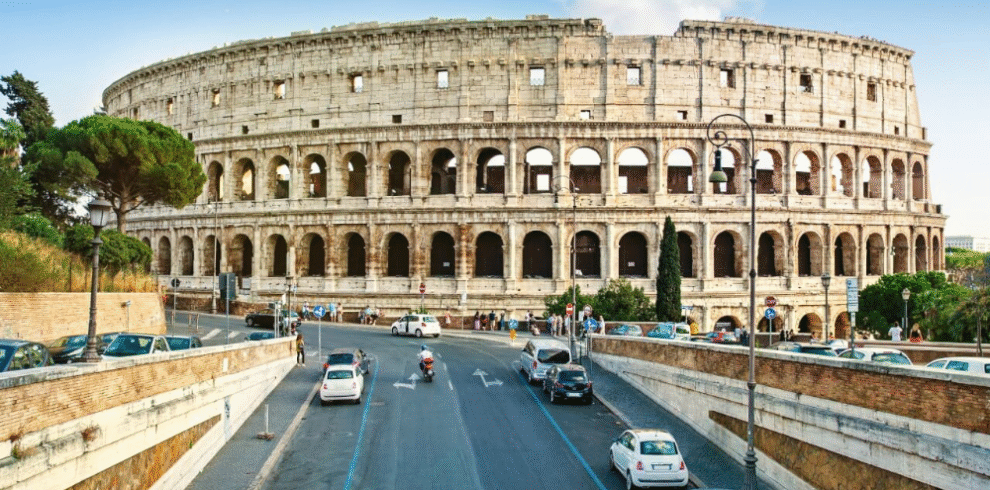

Planning the best time to visit Europe depends on what kind of experience you want. The continent offers a distinct charm every season, making it a year-round destination for travelers.
Regional Weather Overview
No matter the season, Europe always has something special waiting for you. Choose your travel dates wisely and plan your Europe itinerary with LPO Holidays for the perfect experience.

If you have ever seen photos of glowing green and purple lights dancing across the sky and wondered whether they

Planning a European escape in 2025 but dreading the visa process? You’re not alone. Thankfully, not all visa applications are

As the summer sun blazes across India, the quest for a refreshing retreat becomes paramount. Whether you’re a city dweller

The dynamic capital of Norway, Oslo, is home to a wealth of historical, artistic, and natural landmarks. Known for its
Start your journey now! Fill out the form and let us craft your unforgettable travel experience.