



Top Places to Visit for Northern Lights atleast once in a lifetime
If you have ever seen photos of glowing green and purple lights dancing across the sky and wondered whether they

If you’re wondering about the best time to visit Europe, the sweet spot is usually April to June and September to October . During these months, you get pleasant weather, fewer crowds than peak summer, and more balanced travel costs. That said, Europe feels completely different in every season. You might love summer for beach days and long sunsets, or winter for snow-covered towns and festive markets. It really comes down to what kind of trip you’re dreaming about, and that’s exactly what this seasonal guide will help you figure out.
Spring is when Europe slowly wakes up after winter. Parks bloom with flowers, café culture returns, and cities feel lively without being overwhelming. It’s one of the most comfortable times for sightseeing because the weather is mild and attractions are fully open. If you enjoy scenic beauty, relaxed exploration, and fewer tourist crowds, spring feels just right. Many travelers consider this the most balanced season overall.
Climate: Mild and refreshing with blooming landscapes
Temperature: 8°C to 20°C
Weather Conditions: Cool mornings, pleasant afternoons, light showers occasionally
Best Regions & Places to Visit: Western and Central Europe are ideal in spring, especially Amsterdam for tulips, Paris for blooming gardens, Rome for relaxed sightseeing, and Prague for fewer crowds and pleasant weather.
Summer is Europe at its most energetic. Streets are buzzing, beaches are full, and daylight stretches late into the evening. This is peak tourist season, so everything feels vibrant and active. It’s the best time if you want guaranteed warm weather and outdoor experiences. Families traveling with kids often prefer summer because schools are closed and attractions are fully operational.
Climate: Warm to hot, especially in Mediterranean regions
Temperature: 20°C to 35°C, cooler in Nordic countries
Weather Conditions: Sunny days, long daylight hours, ideal for outdoor activities
Best Regions & Places to Visit: Northern and Southern Europe shine in summer, including the Norwegian Fjords, Swiss Alps, Greek Islands, and the French Riviera for beaches, mountain escapes, and long sunny days.
Autumn brings a slower, more relaxed charm to Europe. The intense summer crowds begin to fade, and cities regain their calm atmosphere. Landscapes turn golden, vineyards come alive, and sightseeing becomes more enjoyable. It’s a great time if you want good weather without peak season pricing. Many experienced travelers say this is the smartest season to visit Europe.
Climate: Mild days with cooler evenings
Temperature: 10°C to 25°C
Weather Conditions: Clear skies, crisp air, beautiful fall foliage
Best Regions & Places to Visit: Southern and Central Europe work best in autumn, with Tuscany, Lisbon, Budapest, and Bavaria offering mild weather, scenic landscapes, and lighter tourist crowds.
Winter transforms Europe into something completely different. Snow blankets mountain towns, Christmas markets light up historic squares, and ski resorts come alive. Outside the holiday season, this is also the quietest and often cheapest time to travel. If you love cozy cafés, snowy landscapes, and festive vibes, winter can be magical. It’s also ideal for travelers looking for off-season deals.
Climate: Cold, snowy in Alpine and Northern regions
Temperature: -5°C to 10°C
Weather Conditions: Snowfall in mountains, shorter daylight hours, festive atmosphere in December
Best Regions & Places to Visit: Northern Europe and Alpine Central Europe are most suitable in winter, especially Switzerland, Austria, Germany’s Christmas markets, and Finland for snow and Northern Lights experiences.
If you’re trying to decide when you should go to Europe, it usually comes down to one thing: do you prefer perfect weather or fewer crowds and better prices?
This is Europe’s high season. The weather is warm, daylight lasts longer, and almost every attraction, festival, and coastal destination is fully active. However, it also means higher flight prices, premium hotel rates, and crowded landmarks.
Best for:
If you want guaranteed sunshine, vibrant city life, and don’t mind paying more, summer is the safest choice.
This is often considered the smartest time to visit Europe. The weather is pleasant, tourist crowds are lower than summer, and prices are more reasonable. You still get a full travel experience without peak pressure.
Best for:
If you’re asking what is the best time to visit Europe overall, this is usually the answer.
This is Europe’s low season. Temperatures drop, some smaller attractions may have limited hours, but airfare and hotel prices are often at their lowest. Major cities remain lively, and winter destinations become magical.
Best for:
If your priority is budget or winter scenery, this is the right timing.


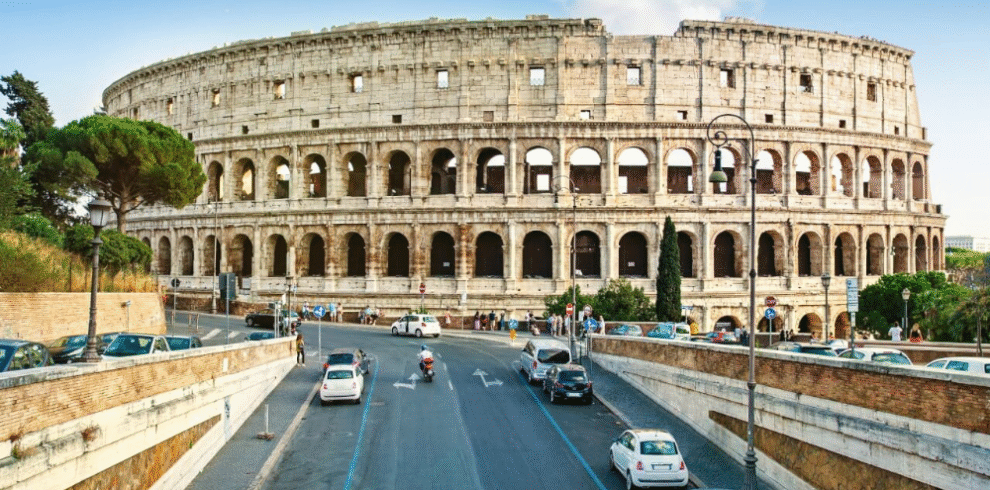

Planning the best time to visit Europe depends on what kind of experience you want. The continent offers a distinct charm every season, making it a year-round destination for travelers.
Regional Weather Overview
No matter the season, Europe always has something special waiting for you. Choose your travel dates wisely and plan your Europe itinerary with LPO Holidays for the perfect experience.

If you have ever seen photos of glowing green and purple lights dancing across the sky and wondered whether they

Planning a European escape in 2025 but dreading the visa process? You’re not alone. Thankfully, not all visa applications are

As the summer sun blazes across India, the quest for a refreshing retreat becomes paramount. Whether you’re a city dweller

The dynamic capital of Norway, Oslo, is home to a wealth of historical, artistic, and natural landmarks. Known for its
Start your journey now! Fill out the form and let us craft your unforgettable travel experience.