



Top Places to Visit for Northern Lights atleast once in a lifetime
If you have ever seen photos of glowing green and purple lights dancing across the sky and wondered whether they
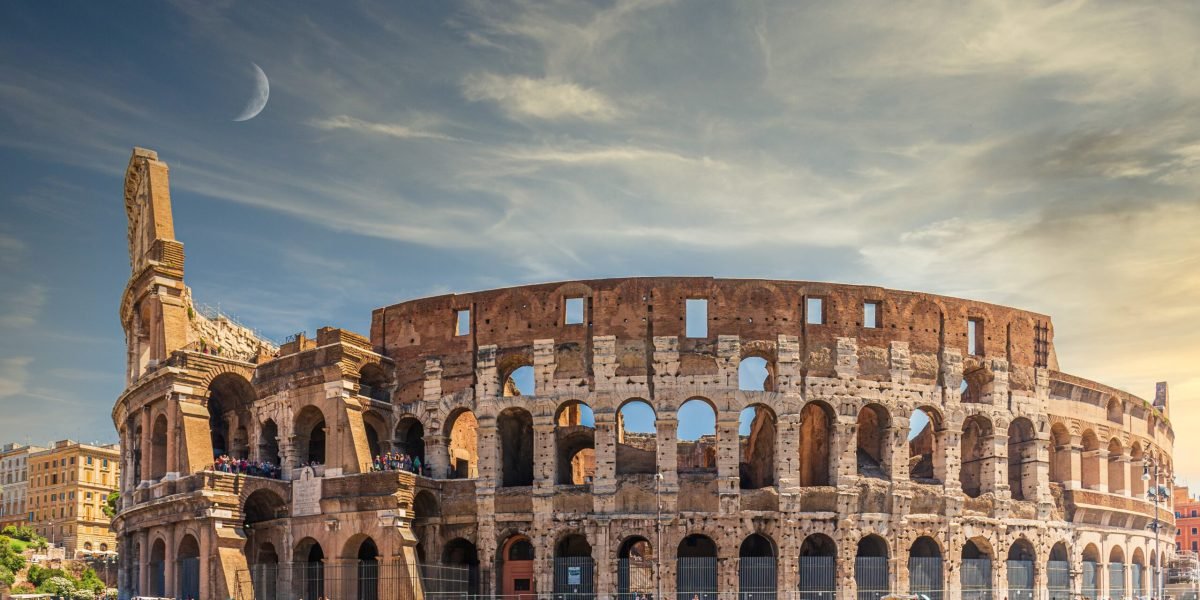
When most people think about Europe, they picture iconic cities, historic streets, mountain landscapes, and traditions that go back centuries. But before planning routes or deciding which country to visit first, it helps to really understand what Europe actually is. Europe is not a single nation. It is a continent made up of many independent countries, different languages, varied climates, and cultures that together shape one of the most influential regions in the world.
This guide gives you a clear understanding of what Europe is, where it is located, how many countries it includes, and how it connects to the larger Eurasian landmass.
Europe is one of the seven continents and forms the western part of the larger Eurasian landmass. Even though it is physically connected to Asia, Europe developed its own political systems, cultural movements, economies, and identity over thousands of years. That long and distinct evolution is the reason Europe is recognized globally as a separate continent.
It is not a country, and it is not a single government structure. Europe consists of independent sovereign nations, each with its own capital city, official language, and traditions. This is exactly why traveling across Europe feels so diverse.

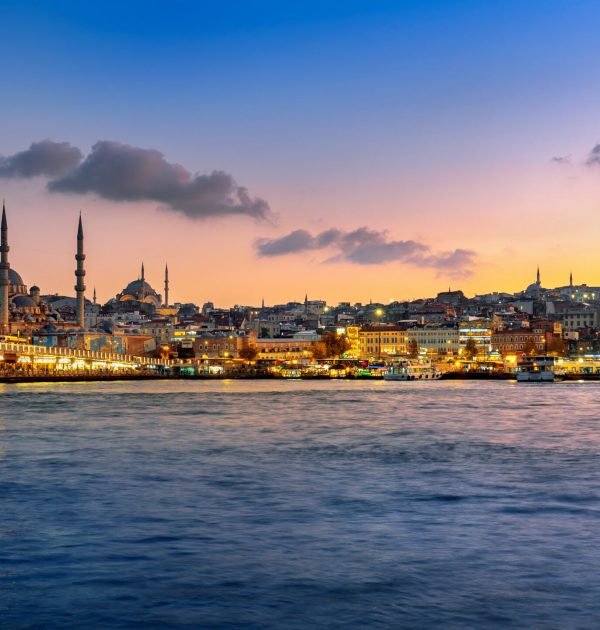
One of the most interesting geographical realities about Europe is that it is part of a much larger landmass called Eurasia. Europe and Asia are not divided by a vast ocean. Instead, they are separated by natural landmarks that create a traditional boundary rather than a dramatic physical break.
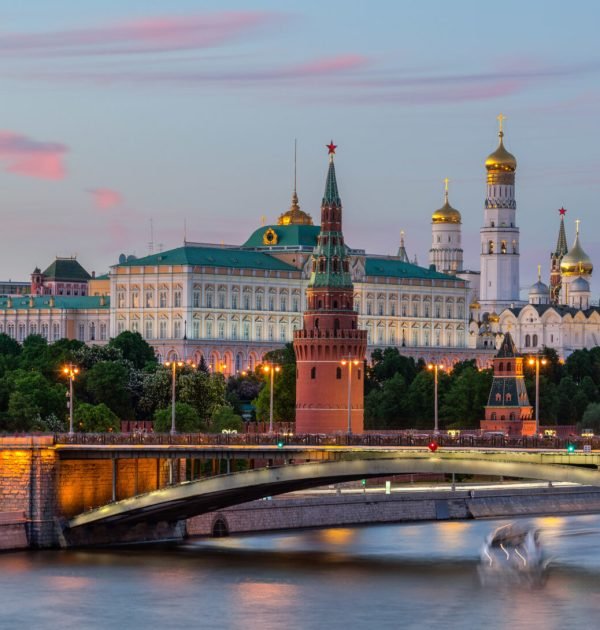
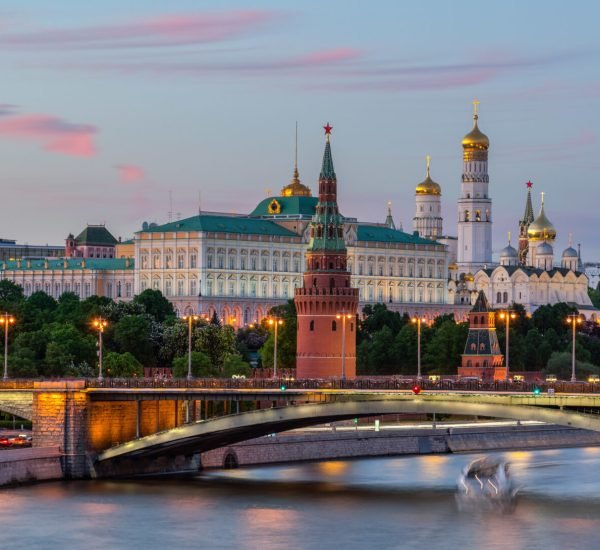
The Ural Mountains are considered the main dividing line between European Russia and Asian Russia. Russia stretches across both continents, but most of its population lives in the European part of the country. Major cities like Moscow and Saint Petersburg are located on the European side.
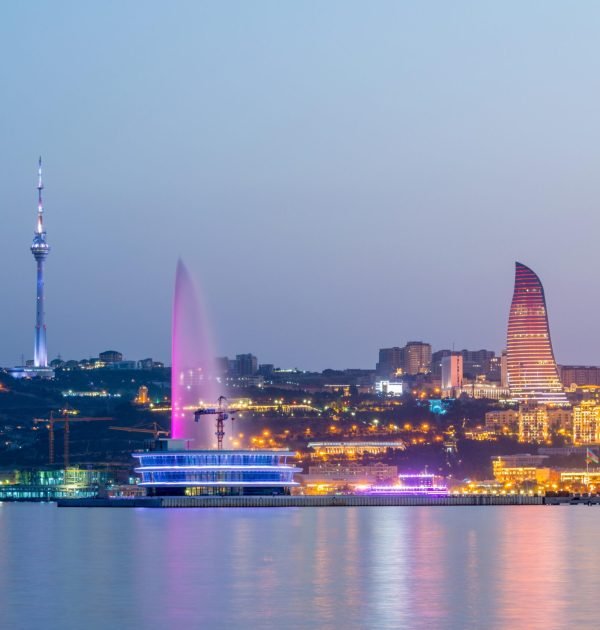
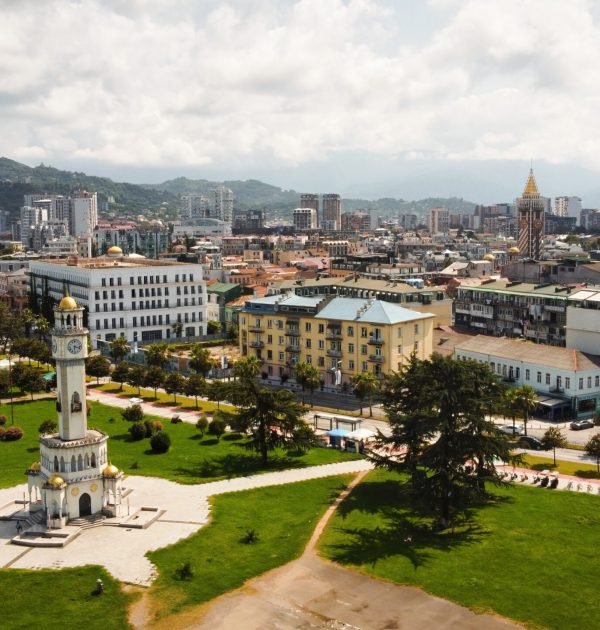
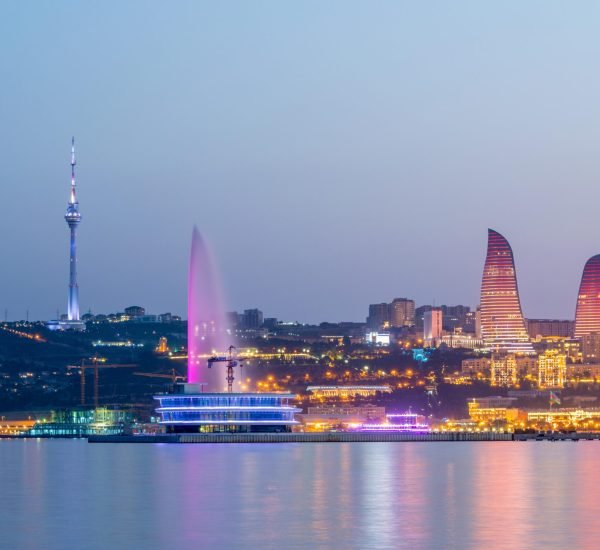
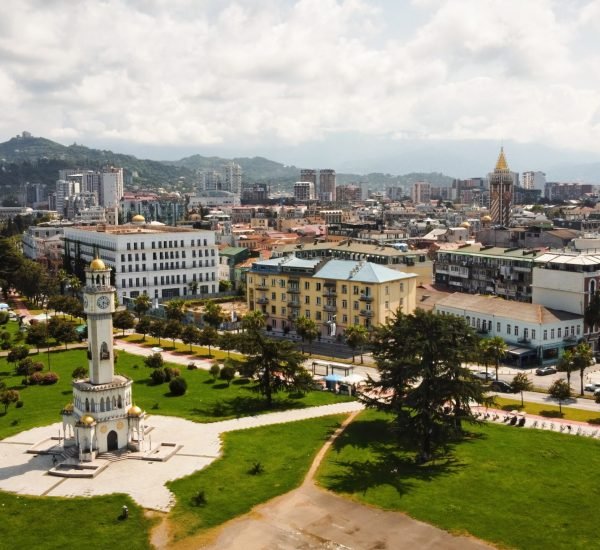
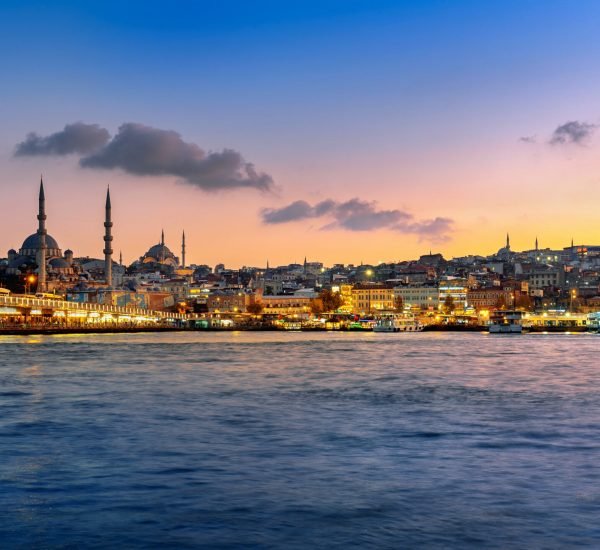
Turkey is another country that physically exists in both Europe and Asia. Istanbul has one side in Europe and the other in Asia, divided by the Bosporus Strait. Kazakhstan also has a small portion west of the Ural River that is geographically linked to Europe. Countries in the Caucasus region, such as Georgia and Azerbaijan, are sometimes included in continental discussions because of their location.
Even though Europe shares land with Asia, its political systems, history, and cultural development evolved differently over time. That distinct evolution defines Europe as its own continent today.
The main currency of Europe is the Euro (€), which is used by most European Union countries including France, Germany, Italy, Spain, and the Netherlands. However, not every European country uses the Euro. Switzerland uses the Swiss Franc, Hungary uses the Forint, and a few others follow their own national currencies. As a traveler, you’ll mostly deal with the Euro when visiting popular Western and Southern European destinations.
When checking the Europe to India currency rate, the Euro to INR usually ranges around ₹105–₹110 per Euro, depending on market fluctuations. This exchange rate directly impacts your Europe travel budget from India. You can exchange currency in India before departure, withdraw locally using international debit cards, or use forex cards which are commonly accepted across hotels, restaurants, transport systems, and tourist attractions in the Eurozone.
Europe travel cost from India depends on the season, countries you visit, and your travel style. On average, an Indian traveler can expect to spend approximately ₹1.5 to ₹3 lakhs for a well-planned trip including flights, accommodation, visa, internal transport, food, and sightseeing. Western Europe tends to be more expensive, while Central and Eastern Europe are relatively budget-friendly.
If you’re planning a two-week Europe trip, the cost typically ranges between ₹1.8 to ₹2.5 lakhs per person for a mid-range experience. A 15-day Europe trip cost would fall in a similar range depending on cities covered and travel season. On a daily basis, Europe travel cost per day can range from ₹6,000 to ₹12,000 excluding flights, depending on whether you choose budget stays or premium hotels. Proper planning, early bookings, and selecting the right season can significantly reduce overall expenses.
Europe’s climate varies significantly from one region to another. Southern countries such as Italy, Spain, Greece, and Portugal experience warm summers and relatively mild winters, making them ideal for coastal holidays and city exploration. Northern Europe, including Norway and Sweden, has colder winters but offers dramatic landscapes and seasonal highlights. Central Europe, like Germany and Austria, experiences clear seasonal shifts with vibrant summers and festive winters.
Contrary to common belief, Europe is not cold throughout the year. Summers from June to August can be pleasantly warm, especially around the Mediterranean. Choosing the right time depends on what kind of experience you are looking for, and understanding seasonal differences becomes easier when you explore a detailed Best Time to Visit in Europe, along with a regional breakdown in a comprehensive Europe Weather and Climate
When people refer to a Europe visa, they are usually talking about the Schengen Visa. The Schengen Area is a group of European countries that allow passport-free travel between them. Once you enter one Schengen country legally, you can generally travel to other participating countries without additional border checks.
Most popular destinations such as France, Germany, Italy, Spain, Switzerland, Austria, Greece, and the Netherlands are part of the Schengen zone. However, not all European countries are included. Europe is a continent, while Schengen is a travel agreement between specific nations.
Visa requirements depend on nationality. Many travelers need a Schengen Visa for short stays of up to 90 days within a 180-day period. For Indian passport holders, a Schengen Visa is typically required for tourism or business visits to most Schengen countries.
Since entry rules can change, it is always important to check official embassy or government sources before planning your trip.
The best time to visit Europe depends on the kind of experience you’re looking for. Spring from April to June offers pleasant weather, blooming landscapes, and fewer crowds in major cities like Paris, Rome, and Amsterdam. Summer from July to August is ideal for coastal destinations such as Greece, Spain, and Italy, though it is also peak tourist season. Autumn between September and October brings comfortable temperatures and scenic countryside views, especially in Central and Eastern Europe. Winter from November to February is perfect for Christmas markets, snow-covered towns, and ski destinations in Switzerland and Austria.
Each season offers a different side of Europe, so your travel style and preferred climate will help determine the right time to go.
Traveling across Europe becomes much easier when you plan step by step. Start by deciding which region you want to explore, whether it is Western Europe, Central Europe, or the Mediterranean countries. Once your destinations are clear, check visa requirements, especially if your trip includes multiple Schengen countries. Most short-term travelers need a Schengen Visa, which allows movement across participating countries for up to 90 days.
Flights to Europe are well connected from major international airports, and booking early usually gives better pricing options. Make sure your passport has sufficient validity, carry confirmed hotel bookings, travel insurance, return tickets, and required financial documents when applying for a visa. Planning intercity transport in advance, whether by train, budget airlines, or buses, also helps manage time and cost efficiently.



Europe has around 44 recognized sovereign countries. The exact number can vary slightly depending on geopolitical classifications, but it includes both large nations like France and Germany and smaller states such as Monaco and Vatican City.
Europe is a continent, not a country. It is made up of multiple independent nations, each with its own government, language, and culture.
The Schengen Area is a group of European countries that allow passport-free travel between them. With a valid Schengen Visa, travelers can move across participating countries for short stays without separate border checks.
Most Western and Central European countries are part of the Schengen zone. Visa requirements depend on your nationality. Travelers should always check official embassy guidelines before planning.
The best time depends on your travel goals. Spring and autumn offer pleasant weather and fewer crowds, summer is ideal for coastal destinations, and winter is perfect for snow scenery and Christmas markets.
Europe offers options for every budget. Western Europe is generally more expensive, while Central and Eastern Europe are more affordable. Planning accommodation, transport, and season wisely helps manage costs.
Many European Union countries use the Euro, but not all. Some countries, such as Switzerland and Hungary, use their own national currencies.
Europe is generally considered safe for travelers. Major cities are well-developed and tourist-friendly, though visitors should remain cautious of pickpocketing in crowded areas.
In most major cities and tourist areas, English is widely spoken. While learning a few local phrases is helpful, English is usually enough for travel in many parts of Europe.
Travel between European countries is convenient through trains, budget airlines, buses, and well-connected road networks. The Schengen system also allows easier border movement within participating countries.
Europe has diverse climates. Northern regions experience colder winters, but Southern Europe has warm Mediterranean weather. Climate varies depending on region and season.
Russia and Turkey are the two main countries that physically span both Europe and Asia. Their geographical position is divided by natural boundaries such as the Ural Mountains and the Bosporus Strait.
The ideal duration depends on how many countries you plan to visit. A focused 7–10 day trip works for one or two countries, while 14–21 days allows for a multi-country journey.
Yes, Europe is considered beginner-friendly due to strong infrastructure, reliable public transport, tourist support services, and widely spoken English in major destinations.
When most people think about Europe, they picture iconic cities, historic streets, mountain landscapes, and traditions that go back centuries. But before planning routes or deciding which country to visit first, it helps to really understand what Europe actually is. Europe is not a single nation. It is a continent made up of many independent countries, different languages, varied climates, and cultures that together shape one of the most influential regions in the world.
This guide gives you a clear understanding of what Europe is, where it is located, how many countries it includes, and how it connects to the larger Eurasian landmass.
Europe is one of the seven continents and forms the western part of the larger Eurasian landmass. Even though it is physically connected to Asia, Europe developed its own political systems, cultural movements, economies, and identity over thousands of years. That long and distinct evolution is the reason Europe is recognized globally as a separate continent.
It is not a country, and it is not a single government structure. Europe consists of independent sovereign nations, each with its own capital city, official language, and traditions. This is exactly why traveling across Europe feels so diverse.
One of the most interesting geographical realities about Europe is that it is part of a much larger landmass called Eurasia. Europe and Asia are not divided by a vast ocean. Instead, they are separated by natural landmarks that create a traditional boundary rather than a dramatic physical break.
The Ural Mountains are considered the main dividing line between European Russia and Asian Russia. Russia stretches across both continents, but most of its population lives in the European part of the country. Major cities like Moscow and Saint Petersburg are located on the European side.
Turkey is another country that physically exists in both Europe and Asia. Istanbul has one side in Europe and the other in Asia, divided by the Bosporus Strait. Kazakhstan also has a small portion west of the Ural River that is geographically linked to Europe. Countries in the Caucasus region, such as Georgia and Azerbaijan, are sometimes included in continental discussions because of their location.
Even though Europe shares land with Asia, its political systems, history, and cultural development evolved differently over time. That distinct evolution defines Europe as its own continent today.

The main currency of Europe is the Euro (€), which is used by most European Union countries including France, Germany, Italy, Spain, and the Netherlands. However, not every European country uses the Euro. Switzerland uses the Swiss Franc, Hungary uses the Forint, and a few others follow their own national currencies. As a traveler, you’ll mostly deal with the Euro when visiting popular Western and Southern European destinations.
When checking the Europe to India currency rate, the Euro to INR usually ranges around ₹105–₹110 per Euro, depending on market fluctuations. This exchange rate directly impacts your Europe travel budget from India. You can exchange currency in India before departure, withdraw locally using international debit cards, or use forex cards which are commonly accepted across hotels, restaurants, transport systems, and tourist attractions in the Eurozone.
Europe travel cost from India depends on the season, countries you visit, and your travel style. On average, an Indian traveler can expect to spend approximately ₹1.5 to ₹3 lakhs for a well-planned trip including flights, accommodation, visa, internal transport, food, and sightseeing. Western Europe tends to be more expensive, while Central and Eastern Europe are relatively budget-friendly.
If you’re planning a two-week Europe trip, the cost typically ranges between ₹1.8 to ₹2.5 lakhs per person for a mid-range experience. A 15-day Europe trip cost would fall in a similar range depending on cities covered and travel season. On a daily basis, Europe travel cost per day can range from ₹6,000 to ₹12,000 excluding flights, depending on whether you choose budget stays or premium hotels. Proper planning, early bookings, and selecting the right season can significantly reduce overall expenses.
When people refer to a Europe visa, they are usually talking about the Schengen Visa. The Schengen Area is a group of European countries that allow passport-free travel between them. Once you enter one Schengen country legally, you can generally travel to other participating countries without additional border checks.
Most popular destinations such as France, Germany, Italy, Spain, Switzerland, Austria, Greece, and the Netherlands are part of the Schengen zone. However, not all European countries are included. Europe is a continent, while Schengen is a travel agreement between specific nations.
Visa requirements depend on nationality. Many travelers need a Schengen Visa for short stays of up to 90 days within a 180-day period. For Indian passport holders, a Schengen Visa is typically required for tourism or business visits to most Schengen countries.
Since entry rules can change, it is always important to check official embassy or government sources before planning your trip.
The best time to visit Europe depends on the kind of experience you’re looking for. Spring from April to June offers pleasant weather, blooming landscapes, and fewer crowds in major cities like Paris, Rome, and Amsterdam. Summer from July to August is ideal for coastal destinations such as Greece, Spain, and Italy, though it is also peak tourist season. Autumn between September and October brings comfortable temperatures and scenic countryside views, especially in Central and Eastern Europe. Winter from November to February is perfect for Christmas markets, snow-covered towns, and ski destinations in Switzerland and Austria.
Each season offers a different side of Europe, so your travel style and preferred climate will help determine the right time to go.
Traveling across Europe becomes much easier when you plan step by step. Start by deciding which region you want to explore, whether it is Western Europe, Central Europe, or the Mediterranean countries. Once your destinations are clear, check visa requirements, especially if your trip includes multiple Schengen countries. Most short-term travelers need a Schengen Visa, which allows movement across participating countries for up to 90 days.
Flights to Europe are well connected from major international airports, and booking early usually gives better pricing options. Make sure your passport has sufficient validity, carry confirmed hotel bookings, travel insurance, return tickets, and required financial documents when applying for a visa. Planning intercity transport in advance, whether by train, budget airlines, or buses, also helps manage time and cost efficiently.
Welcome to Europe, a continent where every journey feels like a storybook unfolding.
From the romantic streets of Paris to the snow-dusted peaks of Switzerland, from the beaches of Greece to the royal landmarks of London, Europe is a destination that never stops inspiring.
Whether you are planning a honeymoon, a family holiday, or an all-inclusive Europe tour packages from India , you will find endless possibilities waiting for you.
Europe is home to history, culture, gastronomy, fashion, and nature – all beautifully connected through efficient transport and a welcoming travel environment.
Europe is one of the most visited regions in the world, and for good reason. It offers travelers a blend of old-world charm and contemporary sophistication.
Each part of Europe carries its own magic. Western Europe is filled with iconic art, romantic cities, and cultural experiences in France, Germany, and the United Kingdom.
Eastern Europe brings you the charm of cobbled streets, stunning castles, and affordable cities such as Prague, Budapest, and Krakow.
Northern Europe shines with its natural wonders, including the Northern Lights in Finland and Norway.
Southern Europe offers the warm Mediterranean sunshine across Italy, Spain, and Greece.
And Central Europe unites the best of both worlds with Austria, Switzerland, and Czechia offering scenic landscapes and artistic heritage.


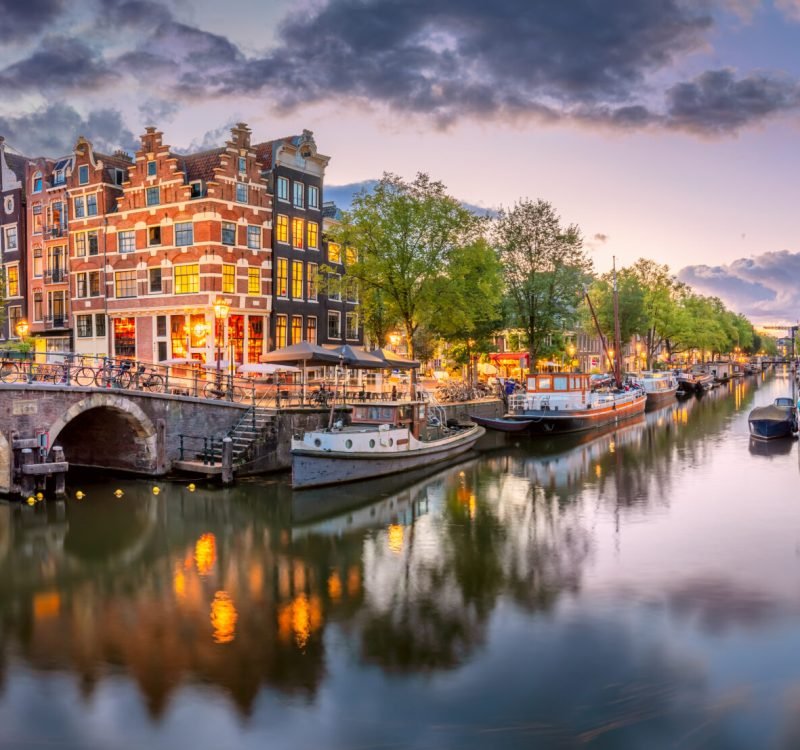
When it comes to places to visit in Europe, there is something for every traveler. Here are some of the must-visit destinations that you can include in your Europe itinerary:
Europe is a continent of experiences waiting to be explored. Here are some of the best things to do during your Europe trip:
Whether you are seeking art, adventure, nature, or culture, Europe offers an unforgettable mix of experiences.
The best time to visit Europe depends on your travel style. Spring and autumn bring pleasant weather and vibrant festivals, while summer is ideal for outdoor exploration. Winter turns Europe into a magical snow wonderland, perfect for Christmas markets and ski trips…
Read More
Europe’s cultural fabric is centuries deep, shaped by kings, artists, and explorers. From Renaissance art to royal palaces and charming old towns, every country tells a unique story…
Read More
Europe is a mosaic of diverse landscapes — snowy mountains, golden beaches, and lush countryside. Divided into Western, Eastern, Northern, Southern, and Central regions, each part of Europe offers something distinct for travelers…
Read More


Planning your Europe trip from India is easy with regular flights from Mumbai, Delhi, Bangalore, and Chennai to major hubs such as London, Paris, Amsterdam, Frankfurt, and Zurich.
LPO Holidays offers a wide selection of Europe tour packages, covering all regions – from short city getaways to long multi-country journeys.
Our packages include return flights, Schengen visa assistance, comfortable hotels, daily Indian meals, transfers, sightseeing, and the guidance of expert tour managers.
Choose from:
Each package is thoughtfully designed to balance iconic attractions and local culture, ensuring an effortless and enjoyable holiday.


If you have ever seen photos of glowing green and purple lights dancing across the sky and wondered whether they

Planning a European escape in 2025 but dreading the visa process? You’re not alone. Thankfully, not all visa applications are

As the summer sun blazes across India, the quest for a refreshing retreat becomes paramount. Whether you’re a city dweller

The dynamic capital of Norway, Oslo, is home to a wealth of historical, artistic, and natural landmarks. Known for its
Start your journey now! Fill out the form and let us craft your unforgettable travel experience.