


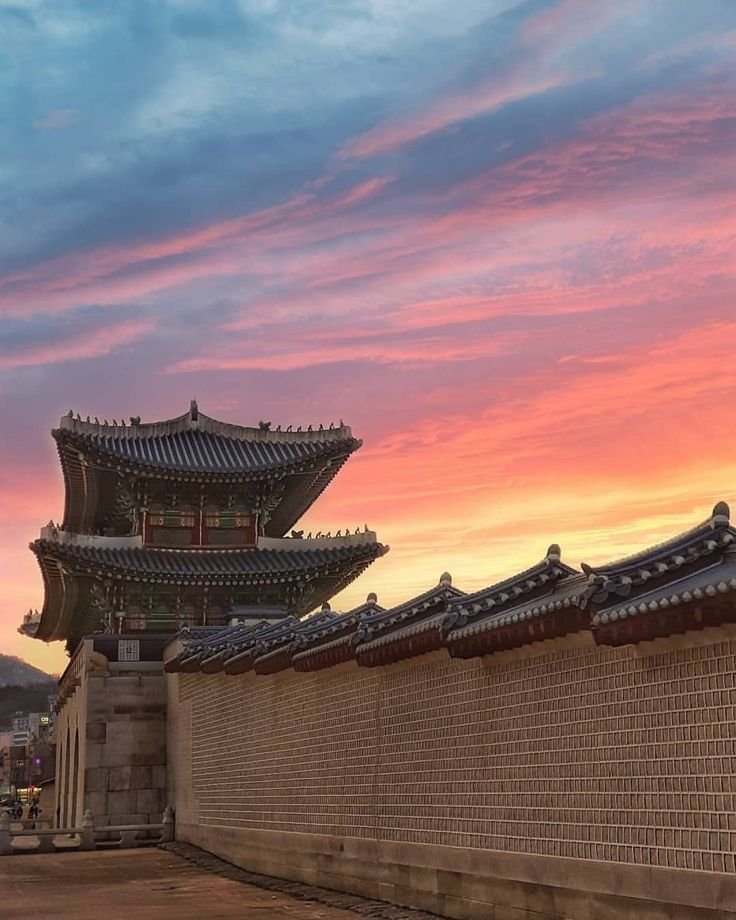
Seoul is often the first name on a South Korea wish list. Then the photographs of Busan’s coastline appear, and the question becomes harder: stay in the capital or include a second city? The answer depends on how much time you have on the ground and what you want to do with it.
A Seoul-focused holiday can suit travellers who want fewer hotel changes and time to explore the capital’s different neighbourhoods. A Seoul-and-Busan route can suit those who actively want a coastal city experience as part of the same holiday. The important trade-off is time: adding Busan requires travel between the cities as well as sightseeing there.
Use this guide while comparing our South Korea tour packages. The examples below are planning ideas, not a claim that every attraction or transport service is included in a particular package.
In this guide
- What makes Seoul worth more than a quick stop?
- What does Busan add to the holiday?
- Use your available time to narrow the decision
- Plan Seoul sightseeing in clusters
- Plan Busan around the experience you want
- Allow for the full Seoul–Busan transfer
- Food planning for Indian travellers
- Transport, connectivity and everyday preparation
- What to confirm before booking a Korea package
- Frequently asked questions
- Build a shortlist around your own priorities
What makes Seoul worth more than a quick stop?
Seoul offers several different types of sightseeing, which work best when you choose your priorities rather than attempt everything at once. A historic district, a shopping area and an evening by the river create different experiences. They also require travel between them.
For a heritage-focused visit, research the palace districts and traditional neighbourhoods. Visit Seoul describes Bukchon as a residential village with traditional hanok houses, located between Gyeongbokgung and Changdeokgung palaces. It is a place where respecting residents matters, rather than treating every lane as a photo set.
If shopping or contemporary culture leads your list, decide what you are looking for before allocating time. Browsing skincare shops, visiting a specific store and enjoying cafés are different activities. A short shopping stop may not provide enough time for all three.
A Seoul-only route is worth considering when several of these interests matter to you. Remaining in one base can simplify the hotel sequence, but you still need to group sightseeing geographically and leave realistic time between stops.
What does Busan add to the holiday?
Busan gives you a coastal contrast to the capital. The city’s official tourism website features beach districts such as Haeundae and Gwangalli, alongside cultural neighbourhoods. Choose the particular coastal or cultural experiences that interest you rather than adding Busan only because it is a second city.
A waterfront walk, a beach district and a hillside neighbourhood are not interchangeable stops. They have different walking conditions and appeal. Decide which one you actually want, then see whether the route gives it a useful time slot.
Do not assume that a coastal stop means a beach holiday. An itinerary may include a brief visit or an evening view rather than an afternoon of leisure. Likewise, do not infer that swimming, a boat trip or a seasonal event is included simply because the hotel is in a coastal city.
The stronger reason to add Busan is that its experiences matter to your party enough to justify the intercity journey. If your essential list is concentrated in Seoul, spending longer there can be a satisfying choice.
Use your available time to narrow the decision
Count arrival and departure commitments before deciding how many destination days you have. A holiday described as several days long may contain an arrival evening, a departure morning and a transfer day. Those dates should not be treated as full days of independent sightseeing.
| Your situation | A useful starting point | What could change the choice? |
|---|---|---|
| A short stay with several Seoul priorities | Explore a Seoul-focused route first. | Busan is a genuine must-see and the confirmed schedule allows meaningful time there. |
| You want both city heritage and coastal experiences | Compare a two-city itinerary. | Transfers take too much time from the experiences you most want. |
| You prefer fewer hotel changes | Check consecutive nights in one base. | You are comfortable moving hotels to reach a priority destination. |
| South Korea forms part of a combined international tour | Count Korean sightseeing days separately. | The international crossing leaves too little time for your Korean wish list. |
This is a planning framework rather than a fixed minimum-day rule. Flight times, travel arrangements and individual interests can change the balance. Two routes with the same number of nights may give very different amounts of usable time.
Plan Seoul sightseeing in clusters
A practical way to build your own wish list is to divide it into heritage, shopping and modern-city experiences. Choose one main focus for a sightseeing block and add nearby interests only when the journey makes sense. Avoid a schedule that crosses the city repeatedly for short photo stops.
For a heritage block, select the palace or traditional neighbourhood that matters most and ask how long the visit lasts. Check current opening arrangements before finalising independent plans. If cultural sightseeing is central to your holiday, an exterior photo stop should not be mistaken for a detailed visit.
For a shopping block, allow time to browse rather than simply arrive. Keep any fixed reservations separate from open-ended shopping. Agree on a meeting point and time if members of your group want different stores or cafés.
For an evening block, think about the return journey to the hotel and the next morning’s start. A late optional outing may be enjoyable, but it is worth considering alongside an early departure rather than adding it automatically.
Plan Busan around the experience you want
Choose a main coastal experience and a second interest, then inspect their locations on a map. Ask whether the tour visits each place on foot, as an orientation stop or with time to explore. The wording on an itinerary should make the difference clear.
If a cultural neighbourhood is important, discuss walking conditions and steps with your operator. If waterfront time is the priority, ask whether the visit is scheduled in daylight or the evening. Both can appeal, but they serve different expectations.
Keep outdoor plans flexible where possible. Check the forecast close to departure and ask how the operator handles weather-sensitive activities. A suitable indoor alternative can be more useful than trying to preserve every outdoor stop regardless of conditions.
Allow for the full Seoul–Busan transfer
Whether your itinerary uses rail, road or air, compare the door-to-door schedule. Include hotel check-out, travel to the departure point, boarding arrangements, the journey and travel to the next hotel. Do not use a vehicle’s headline journey time as the entire transfer allowance.
For rail arrangements, ask about the confirmed stations, reserved seating and luggage handling. For a coach journey, ask about planned stops and the approximate time at your destination. For flights, check airport transfers and baggage separately.
If you arrange part of the holiday independently, leave a sensible buffer around fixed transport bookings. Confirm what the package covers before buying a separate connection. A missed meeting point or an independently booked arrival at a different time can affect transfer arrangements.
Food planning for Indian travellers
Tell the tour team exactly what you need. Vegetarian food, Jain food and allergy-related restrictions should be described individually. Ask which meals are arranged and which are free for you to choose, particularly on transfer days and evenings with independent time.
If you are looking forward to Korean food, identify dishes or experiences you want to try and check their ingredients. A dish name alone may not explain stocks, sauces or preparation methods. For strict dietary needs, ask for clear confirmation rather than assuming a standard menu can be adapted.
Build a small allowance for meals outside the programme, snacks and drinks. Also consider whether a long sightseeing block contains an organised meal stop or a free meal break. Knowing this before the day begins helps your group plan without rushing.
Transport, connectivity and everyday preparation
Save the hotel name and address in both English and Korean where available, along with the group meeting details. Keep an offline copy of the itinerary and a charged phone. These simple preparations are useful even when most transport is organised.
If you expect to explore independently, research the local transport and payment options for the actual route. Check current official information before purchasing a pass. A pass is only useful if the journeys or attractions you will use justify it; a guided package may already cover much of your transport.
For connectivity, compare your roaming plan with available alternatives and check device compatibility before purchase. Decide how your group will stay in touch if someone is delayed. Keep private document copies securely rather than leaving them in an open shared chat.
What to confirm before booking a Korea package
- Exact overnight locations and the number of nights in each city.
- Arrival and departure times, group joining point and airport transfers.
- Intercity transport, seating arrangements and luggage handling.
- Attraction admission versus exterior or orientation visits.
- Meal plan and dietary requirements that can be confirmed.
- Hotel room arrangement, walking demands and any accessibility needs.
- Optional costs, applicable charges and the cancellation schedule.
For a trip that continues to Japan, compare the Korean portion of the Japan–Korea tour collection separately. Check how the departure from South Korea fits around sightseeing, rather than assuming all listed dates remain available for city exploration.
Frequently asked questions
Can I enjoy South Korea without visiting Busan?
Yes. A Seoul-focused holiday can offer a worthwhile first introduction when its experiences match your interests. You do not need to add a second city simply to make the trip feel complete.
Does adding Busan make the itinerary too rushed?
Not necessarily. It depends on the overnight sequence, transport and sightseeing schedule. Check what you gain in Busan and what time you give up elsewhere.
Should I book train tickets separately from my group tour?
Confirm the tour’s transport arrangements first. Separate tickets may duplicate an included service or fail to match the group schedule.
Build a shortlist around your own priorities
Choose three essential experiences, count usable destination days and compare overnight bases. That will tell you more than the number of attractions in a brochure. Our South Korea travel guide is a useful next step for researching the places you want to see.
Send LPO Holidays your departure city, travel month, party size and preferred balance of heritage, shopping and coastal sightseeing. Request the current daily programme and quotation for the route that fits those priorities.
Destination references: Visit Seoul: Bukchon Hanok Village and Visit Busan, the official city travel guide. Published 26 October 2026.

LPO Holidays is India’s leading travel company specializing in international group tours and custom-designed travel experiences. With over a decade of industry expertise, our passionate team has successfully curated unforgettable journeys to Europe, Japan & Korea, Vietnam, Turkey, Dubai, and beyond for more than 30,000 happy travelers from across 350+ Indian cities.
At LPO Holidays, we’re committed to fulfilling every Indian’s travel dreams by crafting immersive, comfortable, and memorable travel experiences. Our dedicated travel experts leverage their deep knowledge of global destinations, ensuring every tour is meticulously planned and beautifully executed.
When we’re not crafting the next dream itinerary, you can find our team exploring new destinations, seeking hidden gems, and sharing travel insights on our blog to inspire your next great adventure.